Tech · US · comparison
Best Cheap Microphones for Podcasting Starters in AU (2024)
Published May 26, 2026
Disclosure: This page may include affiliate links. We may earn a commission if you buy through them.
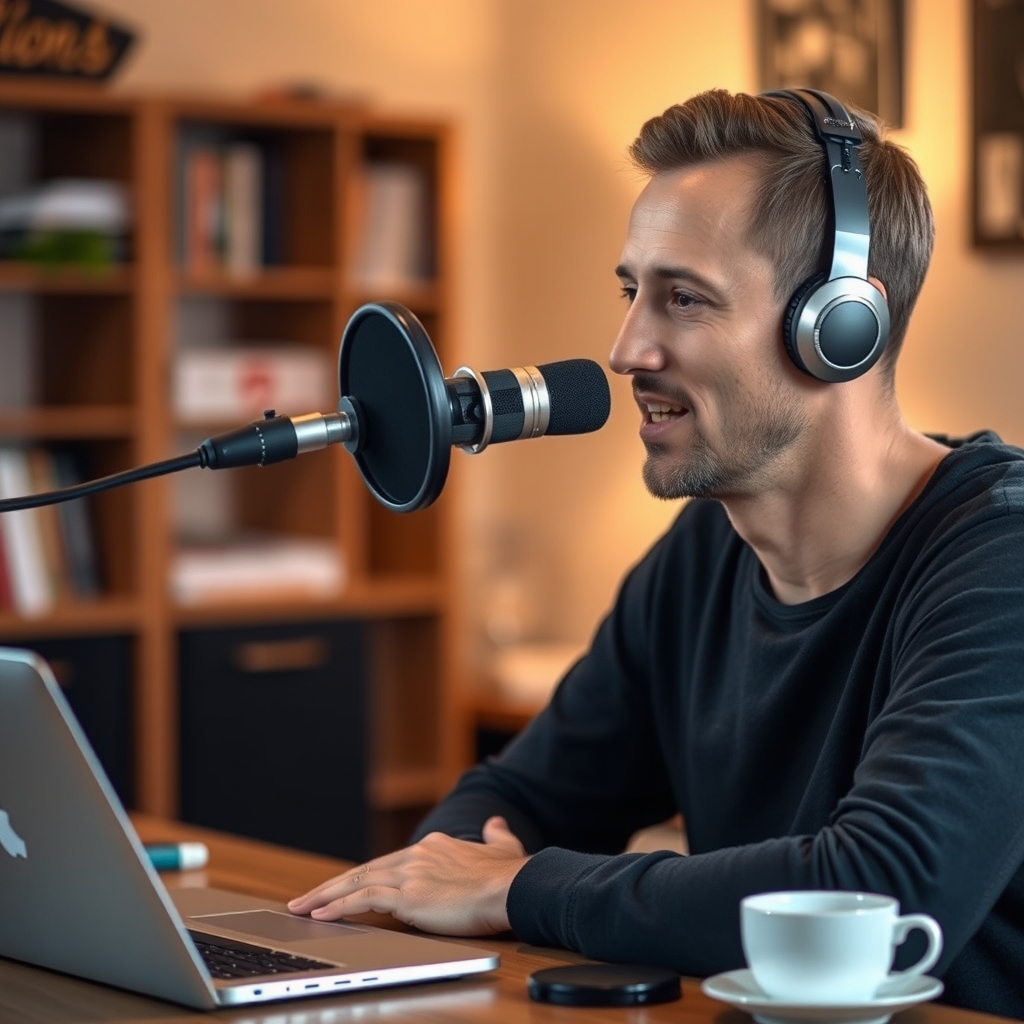
Starting a podcast doesn’t require a fortune, but a decent microphone is non-negotiable for clear audio. This guide helps Australian beginners choose an affordable mic that balances sound quality, ease of use, and budget. We’ll focus on USB microphones, the most common choice for starters, and consider factors like room noise handling, connectivity, and build.
How We Compared
Our comparison centres on microphones suitable for podcasting beginners in Australia. We evaluated them based on:
- Sound Quality: Clarity, warmth, and detail suitable for spoken word.
- Connectivity: Primarily USB for plug-and-play simplicity.
- Room Noise Handling: How well the microphone mitigates background noise and room reflections.
- Ease of Use: Setup simplicity and intuitive operation.
- Price Tier: Focusing on budget-friendly options available in Australia.
- Build Quality & Durability: Ensuring the microphone can withstand regular use.
Comparison Table
| Option | Best For | Price Tier (AU) | Key Tradeoff | Dealbreaker |
|---|---|---|---|---|
| Rode NT-USB Mini | Podcasters prioritising clear voice audio | Mid-Budget | Limited pickup patterns | Need for multiple recording scenarios |
| Blue Yeti Nano | Versatile home studio setups | Mid-Budget | Slightly more sensitive to room acoustics | Extremely noisy or untreated recording spaces |
| Samson Q2U | Budget-conscious beginners, flexibility | Entry-Level | Sound quality not as refined as pricier options | Expecting pristine, studio-grade audio |
| Audio-Technica AT2020 USB+ | Those seeking studio-like clarity | Mid-Budget | Requires a quieter environment for best results | Recording in a less-than-ideal acoustic space |
| Fifine K669B | Absolute beginners on a tight budget | Ultra-Entry-Level | Basic build quality, less detailed sound | Needing professional-grade audio fidelity |
Rode NT-USB Mini
The Rode NT-USB Mini is a standout for new podcasters who want excellent voice clarity without fuss. Its compact design is a bonus for smaller desks, and the integrated pop filter helps tame plosives (those harsh ‘p’ and ‘b’ sounds) right at the source. Setup is as simple as plugging it into your computer via USB. It excels in capturing a warm, present vocal tone that makes spoken word easy to listen to. The headphone jack allows for zero-latency monitoring, meaning you can hear yourself speak without any delay – crucial for performance and editing.
Who it fits: Solo podcasters, interviewers recording remotely (where guest audio quality is less controllable), or anyone prioritising a clean, focused vocal sound. It’s ideal for a home office setup where you want good audio without complex gear.
Where it struggles: The NT-USB Mini only offers a cardioid pickup pattern, meaning it’s designed to capture sound from the front. This makes it less versatile if you plan on recording multiple people in the same room simultaneously (a ‘two-person’ podcast setup) without significant workarounds. While it does a decent job of rejecting sound from the sides and rear, it’s still susceptible to picking up room echo in untreated spaces. You’ll want to ensure your recording area is as quiet and ‘dead’ as possible.
Concrete Use Case: Recording a solo narrative podcast episode about Australian history from your home office. You can set it up on your desk, plug it in, and immediately start recording clear, engaging audio that sounds professional, even if your room has some carpet and curtains.
Blue Yeti Nano
The Blue Yeti Nano is a strong contender for beginners due to its blend of user-friendliness and audio quality. It offers two primary pickup patterns: cardioid (for single-voice recording) and omnidirectional (for capturing sound from all directions, useful for group discussions). This dual-pattern capability adds a layer of versatility often missing in entry-level mics. Like the Rode, it connects via USB and features a headphone jack for direct monitoring. The build quality feels solid, and its smaller footprint compared to the original Blue Yeti makes it a more desk-friendly option.
Who it fits: Podcasters who might experiment with different recording setups, from solo shows to casual interviews with one guest in the same room. It’s a good all-rounder for those unsure of their exact future needs.
Where it struggles: While the cardioid pattern helps reject some background noise, the Yeti Nano can be more sensitive to room acoustics than some competitors. In a room with hard surfaces and minimal sound dampening, you might notice more echo or reverb in your recordings. It’s not a magic bullet for noisy environments, though it performs admirably for its price point. Some users find its internal pop filter less effective than an external one.
Concrete Use Case: Recording a co-hosted podcast where both hosts are in the same room, sitting a metre apart. By selecting the omnidirectional pattern, the Yeti Nano can capture both voices reasonably well, though some overlap and room sound will be present. For solo recording, switching to cardioid focuses on the primary speaker.
Samson Q2U
The Samson Q2U is often lauded as the ultimate budget all-rounder, and for good reason. Its key selling point is the dual USB and XLR output. This means you can start with a simple USB connection to your computer and, if you ever decide to upgrade to an audio interface or mixer down the line, the Q2U can still be used. It also includes a built-in headphone jack for monitoring and a surprisingly effective built-in shock mount, which helps reduce vibrations transmitted through your desk or stand. The sound quality is good for the price, offering a clear and intelligible voice capture.
Who it fits: Absolute beginners who want maximum flexibility for future upgrades, or those on a very strict budget who still need decent audio. It’s also a great option for podcasters who might also do some voice-over work or streaming.
Where it struggles: While the Q2U offers excellent value, its sound quality isn’t as refined or detailed as microphones in a higher price bracket like the Rode NT-USB Mini or AT2020. The microphone’s sensitivity means it will pick up ambient sounds and room reflections if not managed. While the cardioid pattern helps, it’s still important to record in the quietest space possible and consider some basic acoustic treatment.
Concrete Use Case: A student starting a podcast on a shoestring budget. They can plug the Q2U directly into their laptop, record their weekly episodes, and later, if they invest in an audio interface, they can still use the same microphone via its XLR connection for potentially better sound control.
Audio-Technica AT2020 USB+
The Audio-Technica AT2020 USB+ brings the brand’s respected studio microphone heritage to the USB world. This microphone is known for its clear, detailed sound reproduction, offering a level of fidelity that can elevate spoken word content. It’s a condenser microphone, which generally means it’s more sensitive to nuances in vocal performance and the recording environment. It features a headphone jack for direct monitoring and a dedicated volume control, plus a mix control to blend microphone input with pre-recorded audio – useful for podcast editing or live streaming.
Who it fits: Aspiring podcasters who are serious about achieving a high-quality, studio-like sound from the outset and are willing to invest a bit more. It’s also suitable for voice-over artists or musicians needing a capable USB microphone.
Where it struggles: As a sensitive condenser microphone, the AT2020 USB+ is more prone to picking up background noise and room reverberations than dynamic microphones. This means it absolutely requires a relatively quiet recording space and benefits greatly from acoustic treatment (like blankets, soft furnishings, or dedicated panels). If your recording environment is noisy or echoey, this microphone will capture those issues very clearly, potentially requiring significant post-production work.
Concrete Use Case: A podcaster recording in a dedicated home studio space that has been treated with acoustic foam panels. The AT2020 USB+ captures their voice with exceptional clarity and warmth, with minimal distracting room noise or echo, making the final audio sound polished and professional.
Fifine K669B
The Fifine K669B is often the go-to recommendation for those on an extremely tight budget. For its price point, the sound quality is surprisingly decent, offering a clear enough signal for most podcasting needs. It’s a plug-and-play USB microphone, making it incredibly easy to set up and use straight out of the box. The build quality is basic, primarily constructed of plastic, but it feels functional. It often comes bundled with a small desk stand and includes a headphone jack for monitoring.
Who it fits: Absolute beginners, students, or anyone needing a functional microphone for occasional podcasting or voiceovers without breaking the bank. It’s ideal for testing the waters of podcasting before committing to more expensive gear.
Where it struggles: The sound quality, while acceptable, lacks the richness, detail, and warmth of more premium microphones. The build quality is also a significant compromise; it won’t feel as robust or durable as higher-priced options. Its sensitivity to room noise is comparable to other cardioid USB mics, meaning echo and background sounds will still be captured if your environment isn’t managed.
Concrete Use Case: A high school student starting a podcast for a school project. They need something that works reliably, sounds better than their laptop’s built-in mic, and doesn’t cost much. The Fifine K669B fits this perfectly, allowing them to focus on content creation.
Quick Picks by Scenario
- Best Overall Value & Flexibility: Samson Q2U (due to USB/XLR options)
- Easiest to Use & Great Voice Clarity: Rode NT-USB Mini
- Versatile for Different Setups: Blue Yeti Nano
- For Studio-Sound Aspirations: Audio-Technica AT2020 USB+
- Absolute Lowest Budget: Fifine K669B
Who Should Skip This Comparison
- Experienced Podcasters: If you already have a dedicated audio interface and XLR microphone setup, these USB mics likely won’t offer a significant upgrade.
- Those Recording in Very Noisy/Echoey Environments: While all these mics have cardioid patterns to help, none are designed to overcome severe acoustic challenges without additional treatment. You might need to explore dynamic microphones or invest heavily in room treatment.
FAQ
Q1: Do I need an XLR or USB microphone for podcasting?
For beginners, USB microphones are generally recommended due to their plug-and-play simplicity. You connect them directly to your computer. XLR microphones offer more flexibility and potentially higher audio quality but require an audio interface or mixer to connect to your computer.
Q2: How important is room noise for podcasting?
Extremely important. Even the best microphone will sound poor if it’s picking up background hums, traffic noise, or echo from your room. Investing in a quiet space and basic acoustic treatment (like blankets or soft furnishings) makes a huge difference.
Q3: Can I use a gaming headset microphone for podcasting?
While some gaming headsets have decent microphones, they are generally not designed for the clarity and consistency required for professional-sounding podcasts. Dedicated podcasting microphones offer superior audio quality and features.
Q4: What accessories do I need for my new podcast microphone?
Essential accessories include a microphone stand (desk stand or boom arm), a pop filter or windscreen to reduce plosive sounds, and headphones for monitoring your audio. A shock mount can also help reduce desk vibrations.
Q5: Are there specific Australian retailers I should check for these mics?
You can typically find these microphones at major Australian electronics retailers like JB Hi-Fi, Harvey Norman, and online stores such as Amazon Australia. It’s always worth checking current pricing and availability across different providers. Check current provider pricing.
Conclusion
Choosing the right budget microphone is about matching your needs to the available options. For straightforward, clear audio, the Rode NT-USB Mini is an excellent starting point. If you value future flexibility, the Samson Q2U offers great bang for your buck. For those prioritising pristine sound and willing to manage their environment, the Audio-Technica AT2020 USB+ is a strong contender. Remember, even the most affordable mic can produce great results with a little attention to your recording space.
Best Cheap Microphones for Podcasting Starters
Amazon
Shop noise cancelling earbuds on Amazon
noise cancelling earbuds
Open offerAmazon
Shop bluetooth headphones on Amazon
bluetooth headphones
Open offerAmazon
Shop wireless earbuds on Amazon
wireless earbuds
Open offerExplore Other Podcast Microphone Options
Considering different features or price points? See how other microphones stack up for podcasting beginners.
Visual Summary